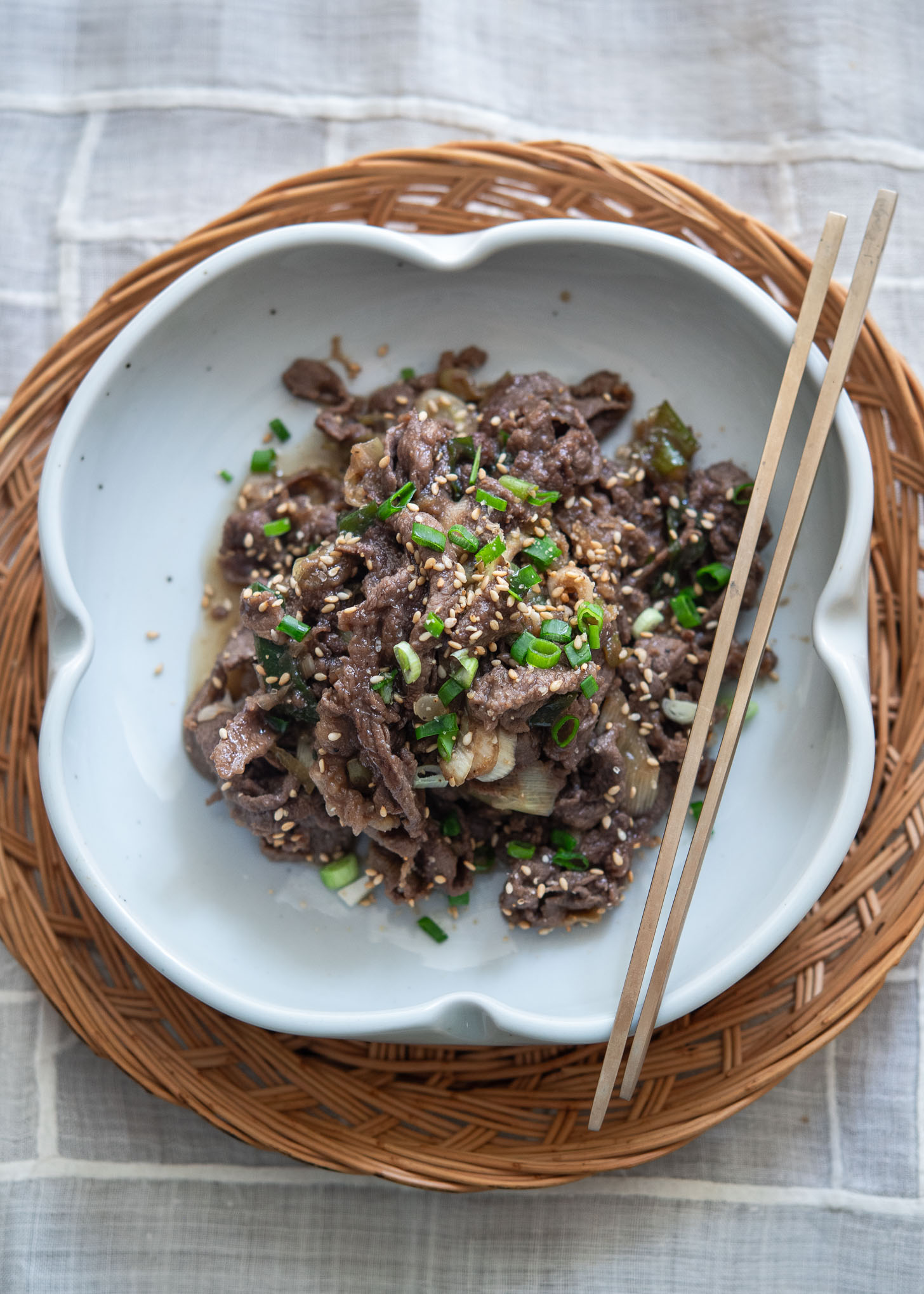
What Makes Authentic Korean Beef Bulgogi So Irresistible?
There are certain aromas that instantly transport you, evoking cherished memories and igniting a fierce hunger. For many, the sweet, savory, and subtly smoky scent of korean beef bulgogi sizzling on a hot pan or grill is one such scent. This beloved Korean dish, often hailed as one of the country's most famous culinary exports, isn't just a meal; it's an experience – a symphony of flavors and textures that has captivated palates worldwide.
At its heart, bulgogi (불고기), which literally translates to "fire meat," is a dish of thinly-sliced meat, most commonly beef, marinated in a distinctive blend of ingredients and then grilled or pan-fried. The magic truly begins with the marinade, transforming humble cuts of beef into incredibly tender, juicy, and intensely flavorful morsels that cook in mere minutes. Imagine coming home on a busy weeknight to the comforting scent of beef cooking, a memory cherished by many who grew up with Korean home cooking. The quick cooking time makes it an ideal choice for a satisfying, yet fast, dinner.
While often associated with the vibrant atmosphere of a Korean BBQ restaurant, complete with sizzling tabletop grills and an array of banchan (side dishes), bulgogi is remarkably approachable for the home cook. Its universal appeal lies in its perfect balance of sweetness and umami, its tender texture, and its versatility. Whether served simply with white rice and fresh greens or incorporated into more modern fusion dishes, mastering the art of authentic korean beef bulgogi begins with understanding and appreciating its core components.
The Secret to a Perfect Bulgogi Marinade: A Symphony of Flavors
The soul of any great bulgogi lies in its marinade. This isn't just a flavoring agent; it's a tenderizer, a color enhancer, and the very essence that defines the dish's iconic taste. A truly authentic korean beef bulgogi marinade achieves a harmonious balance, where no single flavor overwhelms another, resulting in a complex, deeply satisfying profile.
Key Ingredients and Their Purpose:
- Soy Sauce: The foundation of the marinade, providing the essential salty, umami depth. Use a good quality Korean soy sauce for the best flavor.
- Sugar: Crucial for balancing the savory notes and promoting beautiful caramelization during cooking. Brown sugar or even a touch of honey can add nuanced sweetness.
- Sesame Oil: A distinctive nutty aroma and flavor that is quintessentially Korean. It also adds a slight richness to the marinade.
- Garlic and Ginger: These aromatic powerhouses provide warmth, pungency, and a fragrant kick, cutting through the richness of the beef and adding complexity. Always opt for fresh garlic and ginger, minced finely for maximum impact.
- Asian Pear (or Apple): This is the secret weapon of many traditional bulgogi marinades. Pear acts as a natural tenderizer thanks to its enzymes, and also imparts a delicate, fruity sweetness that beautifully complements the other ingredients. If a Korean pear isn't available, a crisp apple like Fuji or Gala can be a good substitute, or even a splash of pear juice.
- Mirin or Rice Wine: Adds another layer of subtle sweetness and helps to tenderize the meat while enhancing the overall flavor profile.
- Black Pepper: A simple seasoning that adds a touch of warmth and enhances other flavors.
Crafting Your Marinade: Tips for Success
When combining these ingredients, proportions are key. A good starting point is often a ratio that leans slightly more on the savory and sweet side, with the aromatics providing depth. Don't be afraid to taste and adjust the marinade before adding the meat – it should be flavorful and well-balanced. Some cooks also add a touch of gochujang (Korean chili paste) for a subtle spicy kick, though this is less traditional for classic bulgogi.
Once your marinade is prepared, ensure your beef is well-coated. Marination time is critical: while a quick soak of just a few hours (perfect for those after-school activities!) can impart flavor, letting the beef rest in the marinade for at least 4-6 hours, or ideally overnight in the refrigerator, will yield the most tender and flavorful results. The longer the meat marinates, the more thoroughly the flavors penetrate and the more effective the tenderizers become. This step is what truly elevates homemade bulgogi to restaurant-quality status.
Choosing Your Meat and Mastering the Slice
The type and preparation of the beef are just as vital as the marinade for achieving authentic korean beef bulgogi. Traditionally, bulgogi calls for very thinly sliced beef, which allows it to absorb the marinade quickly and cook in a flash.
The most common cuts for bulgogi include:
- Ribeye: Highly marbled, offering incredible tenderness and flavor.
- Sirloin: A good balance of tenderness and beefy flavor, often more economical than ribeye.
- Tenderloin or Short Loin: Exceptionally tender, though typically pricier.
Regardless of the cut, the key is the slicing. The beef should be sliced against the grain into paper-thin strips, about 1/8 to 1/4 inch thick. This not only ensures maximum tenderness but also allows the meat to cook incredibly quickly, charring beautifully on the outside while remaining juicy within. Freezing the beef for about 30-60 minutes before slicing can make this task much easier, allowing for cleaner, thinner cuts. If slicing seems daunting, many Asian grocery stores sell pre-sliced bulgogi meat, ready for marinating. For those seeking an even quicker route with minimal fuss, using ground beef can be an excellent alternative, offering all the flavor without the slicing hassle. Explore this convenient option with our recipe for Easy Korean Beef Bulgogi: Ground Beef Bowls, No Slicing Needed.
Cooking Bulgogi to Perfection: From Skillet to Grill
Once marinated, the thinly sliced beef is ready for its fiery transformation. The cooking method significantly influences the final flavor and texture of your korean beef bulgogi.
- Skillet (Pan-Frying): This is arguably the most common and accessible method for home cooks. Use a large, heavy-bottomed skillet (cast iron works wonderfully) over medium-high to high heat. The key here is not to overcrowd the pan. Cook the bulgogi in batches, allowing each piece to make direct contact with the hot surface. This ensures proper caramelization and prevents the meat from steaming in its own juices. The goal is a beautiful, slightly charred exterior with a tender, juicy interior, achieved in mere seconds per side. For specific techniques to ensure tender slices and quick cooking, check out our guide on Quick Korean Beef Bulgogi: Tender Slices Cook in Minutes.
- Outdoor Grill: For that authentic smoky flavor, grilling over charcoal or gas is unbeatable. The high heat creates perfect char marks and imparts a delicious BBQ aroma. Use a grill basket or skewers for easier handling of the thin slices.
- Tabletop BBQ: Recreate the restaurant experience at home with a portable electric or gas grill. This allows for communal cooking and serving directly from the heat source.
Regardless of the method, cook until the edges are nicely caramelized and the meat is cooked through, usually taking only 2-4 minutes total per batch. Overcooking will result in tough, dry beef, so keep a close eye on it!
Serving Your Korean Beef Bulgogi: A Full Korean BBQ Experience
Authentic korean beef bulgogi is more than just meat; it's part of a vibrant culinary tableau. The traditional way to enjoy bulgogi is with a variety of accompaniments that complement its rich flavors and textures.
- Steamed White Rice: The essential foundation, providing a neutral canvas for the flavorful beef.
- Banchan (Side Dishes): A quintessential part of any Korean meal. Classic options include kimchi (fermented spicy cabbage), gyeran-jjim (steamed egg), kongnamul muchim (bean sprout salad), sigeumchi namul (spinach salad), and various pickled vegetables.
- Fresh Greens for Wraps: Crisp lettuce leaves (like red leaf, green leaf, or romaine) are perfect for wrapping the bulgogi. Perilla leaves (kkaennip), with their distinct aromatic flavor, add an extra layer of authenticity.
- Ssamjang (Korean Dipping Sauce): A savory, slightly spicy, and deeply flavorful paste made from gochujang, doenjang (fermented soybean paste), garlic, sesame oil, and other ingredients. A dab of ssamjang in a lettuce wrap with bulgogi and a slice of garlic is pure bliss.
- Garlic and Chili: Thinly sliced raw garlic and green chilies (like serrano or jalapeño) can be added to lettuce wraps for an extra pungent kick.
Beyond traditional wraps, bulgogi is incredibly versatile. It can be served in rice bowls, over noodles, in tacos, burritos, or even as a filling for sliders. Its adaptability makes it a fantastic addition to any menu, whether you're planning a casual weeknight dinner or an impressive gathering.
Conclusion
Mastering authentic korean beef bulgogi is a rewarding culinary journey that opens up a world of flavor. From selecting the right cut of beef and meticulously crafting the sweet and savory marinade to perfectly grilling or pan-frying those tender slices, each step contributes to the dish's irresistible allure. It's a testament to the power of a few simple, well-chosen ingredients coming together to create something truly extraordinary. So, gather your ingredients, follow these tips, and prepare to fill your home with the intoxicating aroma and incredible taste of homemade bulgogi. Enjoy the process, and savor every delicious bite!
